 Roomit
7 Questions That Decide Co Living vs Roommates for Renters
A compatibility-first marketplace beats traditional roommate hunting whenever lifestyle fit matters most, like when you’re a remote worker with strong noise needs, someone with pets, or a landlord who wants a housemate who’ll actually stay. Traditional search still wins when your main filter is cost or you already have a tight local network. Either way, the steps below help you screen smart and get it in writing.
TL;DR:
- Compatibility-first marketplaces better filter roommates based on habits like noise, cleanliness, and guest policies, reducing mismatches.
- Traditional searches offer wider options and lower upfront costs but require more vetting of candidates and increased risk of conflicts.
- Screening should include detailed questions about daily routines, finances, conflict resolution, and references to avoid red flags.
- A written roommate agreement covering rent, chores, guest policies, quiet hours, and exit procedures minimizes future disputes.
- Combining online compatibility matching with reference checks and clear documentation provides the highest success rate in roommate placement.
Table of Contents
- Co Living vs Roommates: What the Terms Actually Mean
- The Compatibility Checklist Every Renter Should Use
- Where to Find Roommates or Rooms That Actually Fit
- How to Screen Candidates Without Getting Burned
- The Roommate Agreement and Move-In Checklist You Need in Writing
- How Roomitai’s Compatibility Matching Actually Works
- What Actually Decides This Choice
- Try Roomitai for a Compatibility-First Roommate Search
- Sources
- FAQ
Co Living vs Roommates: What the Terms Actually Mean
In this guide, “co living vs roommates” refers to two different search methods, not two types of housing. A traditional roommate search means posting on general listing sites or asking around and hoping personalities line up. A compatibility-first marketplace, this model, matches you with people based on structured lifestyle data before you ever exchange a text. This is separate from professionally managed coliving buildings with furnished units and on-site events. That’s a different product entirely.
Matching platforms give you screening tools and verification up front. Traditional routes give you a bigger pool and sometimes lower fees, since you’re not paying for matching services. Renters consistently name respect for personal space and compatible habits as top priorities in choosing a roommate, according to Zillow, which is exactly what structured matching tries to solve for.
Here’s the tradeoff in plain terms:
- Marketplace matching: faster filtering, built-in verification, less guesswork, but often a listing or subscription fee.
- Traditional search: wider inventory, no matching fee, but you do all the vetting yourself.
- Both routes: still require a written agreement and reference checks to actually work.
The Compatibility Checklist Every Renter Should Use
Rent and location matter, but the habits you’ll live with every day matter more. Before you sign anything, run every candidate through these seven criteria.
- Cleanliness. Ask, “What does a typical Tuesday look like for cleaning shared spaces?” A good answer is specific, not “I’m pretty clean.”
- Schedules. Ask about work hours and sleep patterns. Someone who works nights and someone who wakes up at 6 a.m. can still work, but only if you both know it going in.
- Guests. Ask how often they host and whether overnight guests are common. Vague answers here are the biggest source of future arguments.
- Pets. Confirm allergies, existing animals, and whether pets are even allowed under the lease.
- Noise. Ask about music, calls, gaming, or instruments, and at what hours.
- Finances. Ask how they’ve split bills before and whether they’ve ever paid rent late.
- Shared items. Clarify what’s communal (dishes, cleaning supplies, streaming logins) versus off limits.
Detailed questions covering work schedules, cleaning habits, finances, and guest policies are exactly what Lemonade Insurance recommends for screening everyday compatibility and catching red flags early.
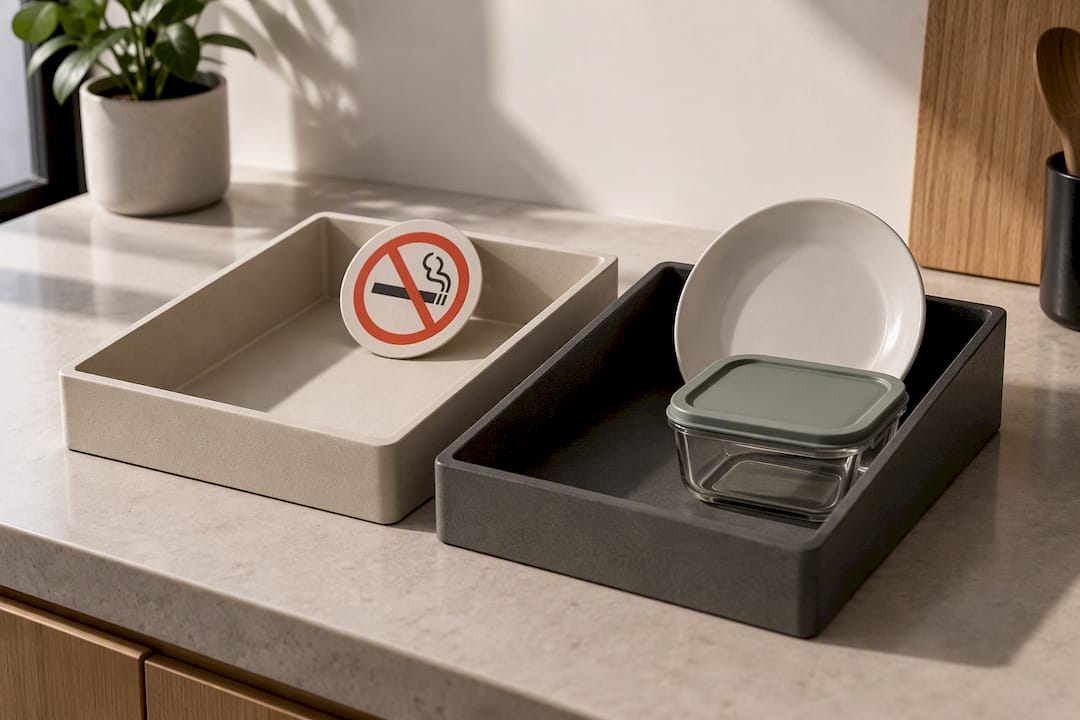
Pro Tip: Sort your list into dealbreakers and preferences before you meet anyone. A messy kitchen is annoying; a smoker in a no-smoking unit is a dealbreaker. Knowing which is which keeps you from rejecting a great match over something minor.
Where to Find Roommates or Rooms That Actually Fit
Compatibility-first marketplaces let you filter by cleanliness, noise tolerance, and guest policy before you message anyone, which cuts out the small talk that traditional listings force on you. Local channels still matter too: university housing boards, alumni groups, and neighborhood social pages tend to surface people who already share your context, whether that’s a school, an employer, or a part of town.
Combining online matches with references and a written agreement produces noticeably better outcomes than relying on either alone, according to TenantCloud.
When reading someone else’s ad, look past the price and photos. Do they mention their schedule, their guest habits, or how they split chores? That’s a signal they’ve thought about compatibility, not just square footage.
Your own posting should include:
- Neighborhood or commute radius
- Budget range, including utilities
- Your top three lifestyle filters (quiet hours, pets, guest frequency)
- Move-in date and lease length
How to Screen Candidates Without Getting Burned
A short interview, done right, tells you more than three weeks of texting. Walk through this sequence with every serious candidate.
- Open with lifestyle, not logistics. Ask “Describe a typical weekend at home” instead of “Are you clean?” Open-ended prompts reveal habits that yes-or-no questions hide.
- Cover money directly. Ask about their rent history and whether they’ve ever paid late.
- Ask about conflict. “How did you handle a disagreement with a past roommate?” tells you how they’ll handle the next one with you.
- Verify, don’t assume. Contact a past landlord or roommate, and ask for proof of income or employment. Zillow recommends this step before anyone signs anything.
- Consider a trial stay. A short sublet or weekend visit functions like a live audition and can surface mismatches a phone call never would.
Watch for these red flags: vague answers about past living situations, reluctance to provide a reference, or inconsistent stories about income. Any one of these is a reason to slow down, not necessarily to walk away, but to ask more questions before you commit.
A large share of renters rank personal space and habit compatibility above almost everything else when choosing who to live with, which is worth remembering the next time a candidate seems perfect on paper but dodges your schedule questions.
The Roommate Agreement and Move-In Checklist You Need in Writing
Unspoken expectations cause more roommate conflict than any single bad habit, according to ConsumerAffairs. A written agreement fixes that before it starts.
Cover these clauses at minimum:
- Rent and utility split, including who pays which bill and when
- Late fee policy and what happens if someone’s short one month
- Chore rotation and shared item rules
- Guest and overnight policy
- Quiet hours
- Notice period and an exit plan if someone leaves early
| Move-in step | Why it matters |
|---|---|
| Photo inventory of shared spaces | Protects your deposit and settles damage disputes later |
| Key and lockbox copies confirmed | Avoids lockout arguments in week one |
| Utilities transferred or split confirmed | Prevents a surprise bill nobody claims |
| Renters insurance discussed | Covers your belongings if something goes wrong |
| Emergency contact info exchanged | Basic safety, easy to skip, easy to regret |
If a disagreement comes up later, pull out the written agreement first. Most disputes resolve faster when both people can point to a line they already agreed to, rather than arguing from memory.
How Roomitai’s Compatibility Matching Actually Works
Roomitai ranks compatibility across more than 20 structured lifestyle and household factors, including cleanliness habits, noise tolerance, guest policies, schedules, and budget, according to the platform’s own methodology. That’s a wider net than most roommate ads ever cast, since a typical listing tells you rent and square footage and little else.
This approach fits a few situations especially well. Someone moving to a new city with no local network gets a shortcut past the cold-message phase. A landlord trying to fill a room gets a filtering layer beyond “can pay rent.” A tenant who’s been burned by a mismatch before gets a way to screen for the exact habits that caused the last blowup.
What Actually Decides This Choice
If your biggest risk is personality mismatch, pick a compatibility-first marketplace. If your biggest risk is running out of budget, a traditional search with a wider net probably serves you better. Either way, verify references and put the agreement in writing before you hand over a deposit.
— Salem
Try Roomitai for a Compatibility-First Roommate Search
Some compatibility-first roommate search platforms skip the guesswork that traditional roommate ads leave you with. Instead of scrolling listings that show only rent and square footage, they offer compatibility filters on cleanliness, noise, guest habits, and schedule, plus private messaging by default and opt-in verification.

Getting started takes three steps: build a profile with your real habits and dealbreakers, set your filters for the things you won’t compromise on, then message the matches that actually line up. Once you find someone promising, use the checklist above to draft your agreement before move-in day. Start your search on the Roomitai platform and see who you match with.
Sources
- How to Find a Roommate | Zillow
- 21 Questions to Ask Potential Roommates • Lemonade Insurance
- How to Find a Roomate (2026) | ConsumerAffairs®
FAQ
Is Coliving Worth It Compared to Finding Roommates Yourself?
A compatibility-first marketplace is worth it when lifestyle mismatch is your biggest worry, since it screens for habits before you meet anyone. Traditional searching still works well if your priority is a bigger pool or lower cost.
Are Roommates Cheaper Than Using a Matching Platform?
Traditional roommate searches can be cheaper upfront since you skip any matching or listing fees. That savings can disappear fast if a mismatch forces an early move, which is why many renters weigh cost against the risk of getting it wrong.
What Should Go in a Roommate Agreement?
A solid agreement covers rent and utility splits, chores, guest policy, quiet hours, and an exit plan for early move-outs, as ConsumerAffairs recommends. Keep it accessible so both people can reference it during a disagreement.
How Do I Screen a Roommate for Red Flags?
Ask direct questions about past rent history, conflict handling, and daily habits, then verify with a reference call to a past landlord or roommate. Vague answers or refusal to provide a reference are signs to slow down before signing anything.
Does Roomitai Only Work for Big Cities?
Roomitai’s compatibility matching is built around lifestyle factors like cleanliness, noise, and schedule rather than a specific city size, so it applies anywhere the platform has active listings. Check current city coverage directly on the Roomitai site.
Find a roommate you'll actually get along with
Roomit is preparing compatibility-first matching city by city. Join your local waitlist.